Ways to Give Back During Recovery
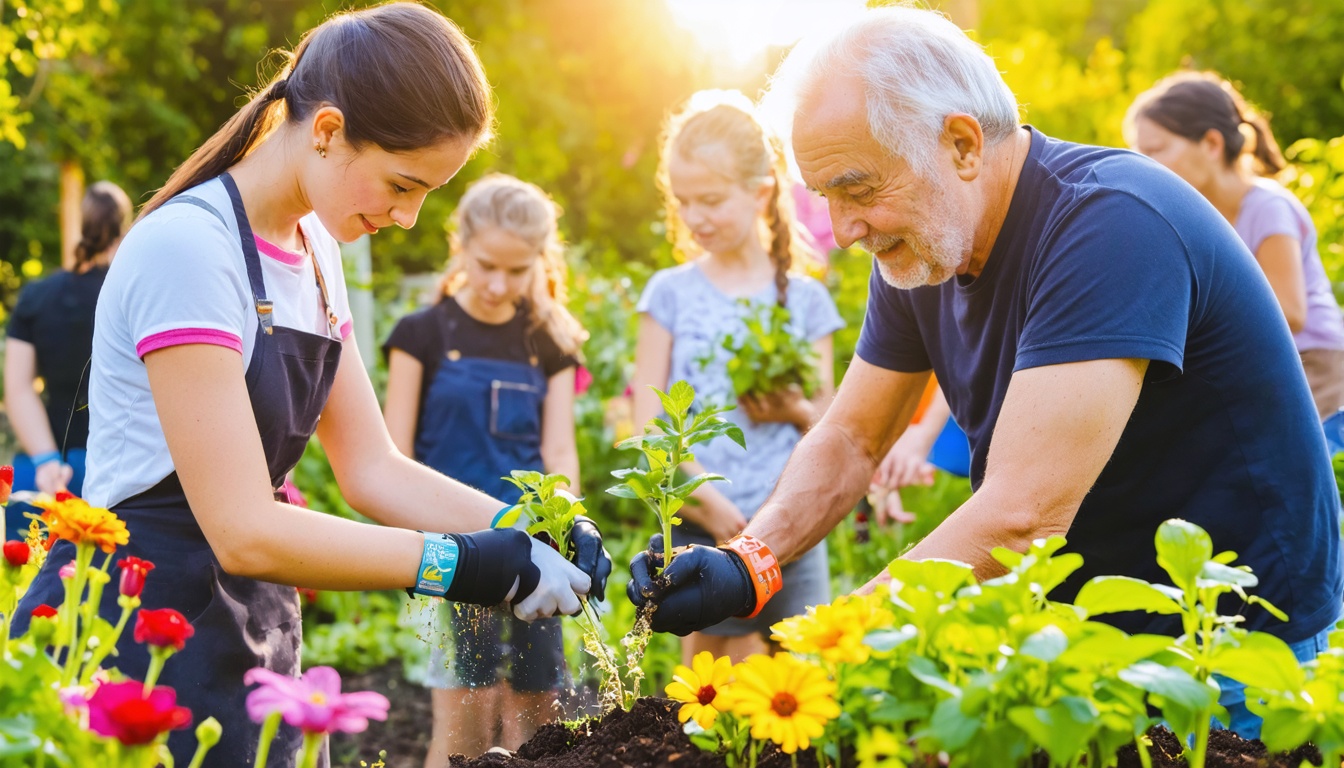
As you move through your recovery journey, giving back can add new meaning to your daily life. You'll find that helping others, whether through volunteering, donating, or mentoring, often strengthens your own sense of purpose. While the act of giving might start small, its impact can grow in unexpected ways. Wondering how you can make a difference without feeling overwhelmed? There are several practical approaches to consider each with its own unique rewards.
The Value of Giving Back in Recovery
The Role of Service in Recovery
In the context of recovery from addiction or substance use disorder, the concept of purpose gains significance as individuals navigate the path toward personal growth. Engaging in service-oriented activities can benefit not only the individual in recovery but also the broader community of those affected by substance use challenges.
Participating in support groups, alumni programs, or contributing personal narratives to program blogs can facilitate healthy connections among peers. These interactions are essential for maintaining sobriety and fostering a sense of belonging. By sharing experiences, individuals create a supportive network that reinforces their commitment to recovery.
Mentoring others and giving back to the community are practical applications of this concept. Such acts serve not only to assist those who are struggling but also contribute to the sense of purpose for the individual providing the support. This reciprocal relationship between helping others and personal growth underscores the intrinsic value of service in the recovery process.
Furthermore, engaging in these activities can reinforce one's values and provide a framework for sustained hope and inspiration. The systematic involvement in service-related efforts acts as a crucial component of a comprehensive recovery strategy, illustrating the interconnectedness of individual and community well-being.
Volunteer Opportunities for Meaningful Engagement
Volunteerism presents individuals in recovery with a structured opportunity to reinforce their commitment to personal development while contributing positively to their community. Engaging in volunteer activities at shelters, food pantries, or community prevention initiatives can provide participants with a sense of purpose and belonging.
By assisting in the organization of meetings, offering support to families dealing with addiction or substance use issues, and participating in virtual support groups, individuals can gain valuable experience and cultivate empathy.
Additionally, sharing personal narratives through program blogs or alumni networks can serve as a means to foster connection and encourage others in similar circumstances.
Research indicates that involvement in community service can have a positive impact on maintaining sobriety and fostering long-term recovery.
By contributing to their communities, individuals not only support others in need but also enhance their own recovery journey, establishing meaningful and lasting connections over time.
Mentoring and Offering Peer Support
Engaging in mentorship and providing peer support can significantly influence both the recovery paths of individuals and the broader community affected by addiction and substance use disorders. Participation in programs designed for mentoring others or in support groups fulfills a crucial role in fostering a supportive environment.
This engagement not only assists individuals and families grappling with these challenges but also allows mentors to derive personal meaning and purpose from their experiences.
The act of sharing one’s story in forums such as meetings, virtual gatherings, or alumni programs has been known to promote a sense of hope and encouragement among peers. Research suggests that individuals who support others in recovery can experience enhanced personal accountability for their own sobriety and improve their mental health outcomes.
Thus, providing support is not only beneficial for the recipient but can also reinforce the mentor's commitment to their own recovery journey.
Moreover, the integration of mentorship into recovery practices contributes to building resilience within the recovery community. It emphasizes the importance of prevention and ongoing support, which are vital components of successful recovery frameworks.
Consequently, those in recovery are encouraged to consider active involvement in giving back to the community, which can serve as a foundational aspect of their continued growth and well-being.
Making Donations and Supporting Recovery Programs
Making donations or supporting recovery programs represents a practical approach to contributing to the well-being of individuals and families affected by addiction. Donations can be made as one-time gifts or through recurring contributions, both of which serve to bolster individuals on their path to sobriety. Supporting various initiatives, such as meetings, support groups, prevention efforts, or alumni programs, can significantly impact recovery outcomes. For those seeking specialized care, exploring drug rehabilitation facilities in Surprise can provide tailored support and resources.
Moreover, individuals may choose to donate in honor of a loved one or participate in workplace giving campaigns, including employer matching programs, which can amplify the effect of their contributions.
It is important to review individual program blogs and their privacy policies to understand how donations are utilized and to stay informed about any changes that may affect one’s involvement or coverage.
Ultimately, contributing to recovery programs not only aids those in need but can also foster a sense of community and shared responsibility in addressing addiction.
Participating in Community Outreach Initiatives
Participating in community outreach initiatives serves a significant function in raising awareness about addiction and recovery within local communities. Engaging in such activities allows individuals to contribute meaningfully to the ongoing conversation surrounding substance use and its impact on families and society at large.
Involvement can take various forms, including attendance at meetings, participation in support groups, or involvement in virtual events. Additionally, individuals may choose to donate their time or skills to support initiatives aimed at education and prevention.
Mentoring individuals affected by substance use disorders can also be a valuable undertaking, as it fosters support networks that are crucial for recovery. Activities such as distributing informational materials or collaborating to organize community programs can further enhance these efforts.
Overall, outreach work plays a critical role in the recovery process. It not only aids in prevention efforts but also supports individuals in maintaining their recovery journeys while reinforcing the value of community connection.
By fostering awareness and education, these initiatives can contribute to the creation of healthier, more informed communities.
Strengthening Family and Community Connections
Engaging in structured activities during the recovery process can play a pivotal role in reinforcing relationships within the family and the broader community. Volunteer work offers individuals an opportunity to derive a sense of purpose while simultaneously counteracting feelings of isolation that are often experienced during recovery.
Organizing projects for families, whether in-person or through virtual platforms, can facilitate the cultivation of values such as belonging and support within the community. Participating in support group meetings allows individuals to share their experiences, which can serve as a source of inspiration and a means of mentoring others. This exchange not only fosters a sense of hope but also strengthens individual resolve in maintaining sobriety.
Additionally, reconnecting with peers through initiatives like a Program Blog or Alumni Program can enhance social networks and reinforce recovery efforts.
It is also essential to provide resources for individuals who may be dealing with the impact of a loved one’s addiction or mental health challenges. For those experiencing these difficulties, reaching out for additional support, understanding potential changes to insurance coverage, and utilizing available informational resources can be beneficial steps in navigating these complex situations.
Incorporating Self-Care While Giving Back
Incorporating self-care while engaging in community support is a critical consideration during the recovery process. While contributing to your community can foster a sense of purpose and enhance personal motivation, it is essential to prioritize self-care to sustain progress in sobriety.
Balancing community involvement with self-care requires a strategic approach. Regular attendance at support meetings and taking necessary breaks are important steps to avoid burnout and maintain mental and physical health. It is crucial to ensure that essential elements such as rest and nutrition remain prioritized, regardless of the nature of community engagement—be it through direct support at home, participation in virtual events, or making contributions through donations.
Mentorship and sharing personal experiences can be valuable for both the mentor and the mentee, reinforcing positive behaviors and coping strategies. Active participation in support groups can further facilitate this exchange of experiences.
However, it is vital to remain vigilant for any signs of stress or changes in personal wellbeing that could impact the recovery journey. Maintaining a clear awareness of one’s own needs is paramount in fostering long-term recovery while contributing positively to the community.
Accessing Support and Resources for Sustained Recovery
To ensure continued progress in your recovery journey, it is critical to access reliable support networks and utilize available resources. Engaging with support groups, attending meetings, and participating in virtual programs can significantly aid in maintaining sobriety and enhancing the overall quality of life.
Additionally, contributing to the recovery community by mentoring others or sharing personal experiences in an Alumni Program can foster a sense of purpose and connectivity, both for the mentor and for those receiving support.
Families and individuals affected by addiction should seek out resources dedicated to prevention, as well as tools for assessment and mental health support.
Furthermore, involvement in community efforts such as donating time or resources—can have a positive impact not only on individuals but on the community at large.
It is also important to remain informed about any legislative or policy changes that may influence your healthcare coverage and support options.
Prior to accessing any services or making payments, it is advisable to thoroughly review the Terms of Service and Privacy Policy to understand your rights and protections.
Conclusion
Giving back during recovery isn’t just about helping others—it’s a powerful way to strengthen your own healing and growth. As you connect, support, and share with those around you, you’ll develop meaningful relationships and a renewed sense of purpose. By balancing community involvement with your own self-care, you create a sustainable path to wellness. Remember, your contributions no matter how small make a real difference, both for others and for yourself as you move forward.